

-

生物通官微
陪你抓住生命科技
跳動的脈搏
生物通官微
陪你抓住生命科技
跳動的脈搏
曹凱翔:非甲基化酶LSD1在調節增強子和細胞命運轉變中的作用
【字體: 大 中 小 】 時間:2023年09月02日 來源:AAAS
編輯推薦:
凱斯西儲大學的生化研究人員發現了一種導致癌癥的關鍵蛋白質的新功能,他們認為這一發現可能會為一系列癌癥和其他疾病帶來更有效的治療方法。
凱斯西儲大學的生化研究人員發現了一種導致癌癥的關鍵蛋白質的新功能,他們相信這一發現將為一系列癌癥和其他疾病帶來更有效的治療方法。
這種蛋白質是LSD1(賴氨酸特異性組蛋白去甲基酶1A),它在人類細胞內起著一種交通警察的作用。它在胚胎發育過程中控制基因活性,并在整個生命過程中調節基因表達。
近年來,科學家們還發現,LSD1的過度表達——在這種情況下,產生過多的蛋白質——可以推動癌癥和心臟病的發展。
一些研究人員最近試圖通過阻止ldi的催化活性來減緩癌癥的生長。ldi是一種化學反應,可以刺激細胞生長,但也可能導致其過度表達。
但是,生物化學助理教授曹凱翔(Kaixiang Cao)帶領一個團隊挑戰這一假設:研究人員認為,通過降解整個LSD1蛋白,而不僅僅是縮短導致其過度表達的化學反應,他們可以在減緩或阻止干細胞中的癌癥生長方面取得更大的成功。
“我們的發現確實挑戰了當前的范式,”Kaixiang Cao說。
他們的研究發表在8月份的《自然通訊》雜志上。
“我們需要一種精確有效的靶向這些蛋白質的方法,我們的研究表明,停止這種催化作用可能在15%的情況下有效(阻止過表達),而我們的方法接近80%。”“因此,如果我們能開發出一種LSD1的降解劑,即使我們不能完全治愈癌癥,我們也可以幫助患者減少治療。”
Kaixiang Cao說,他和他的團隊對LSD1主要以不依賴催化劑的方式發揮作用感到驚訝,但現在他們已經為研究界提供了一個“理論基礎,這將是一種更有效的治療這些疾病的方法”,他們將開始進一步的測試,首先是在癌組織中,然后是動物模型,最后是人體試驗。
他說:“這是未來——你加入降解劑,它就會完全殺死蛋白質。”“這項技術已經存在了,因為其他研究人員已經對其他蛋白質進行了研究,但還沒有對LSD1進行研究。”
原文標題:
Demethylase-independent roles of LSD1 in regulating enhancers and cell fate transition
作者簡介:
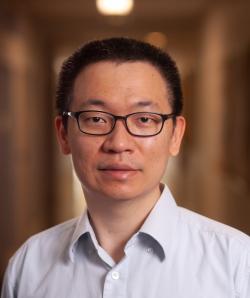
Kaixiang Cao, PhD
Assistant Professor, Department of Biochemistry, School of Medicine
Research Interests
Epigenetic mechanisms play a central role in regulating cell fate determination processes during normal development and pathogenesis. Deciphering these mechanisms will shed light on developing novel therapies for treating human developmental syndromes and cancer.
Our lab is interested in understanding how epigenetic events, including histone modifications, DNA modifications, and nucleosome positioning, impact cell fate. One major focus of our lab is the roles of lysine methyltransferases (KMTs) and lysine demethylases (KDMs) in regulating stem cell self-renewal and differentiation. We also focus on the crosstalk between different epigenetic pathways in modulating transcription, higher order chromatin architecture, and animal development. Moreover, we are interested in revealing the functions of enhancers and the machineries regulating them in controlling gene expression and cell fate transition.
We are dedicated to mentoring and training the next generation of exceptional scientists in biomedical research. The ultimate goal of our research is to translate the newfound knowledge to benefit patients and improve public health.